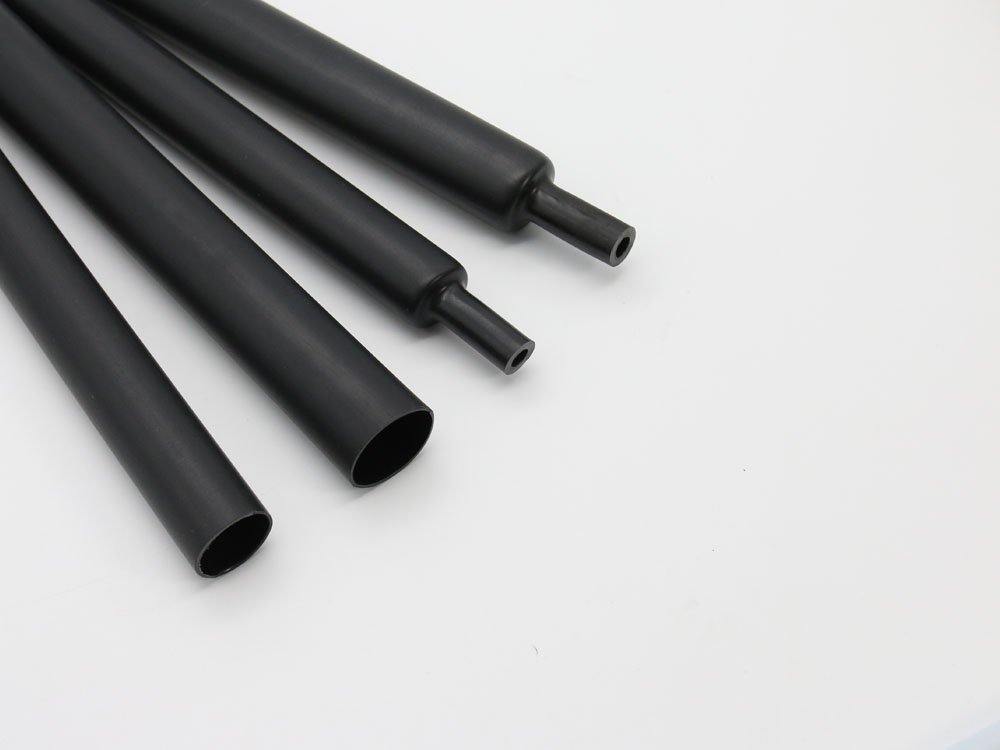
Every day, millions of meters of heat shrink tubing protect wires worldwide. But how does a simple plastic tube gain its magical shrinking power?
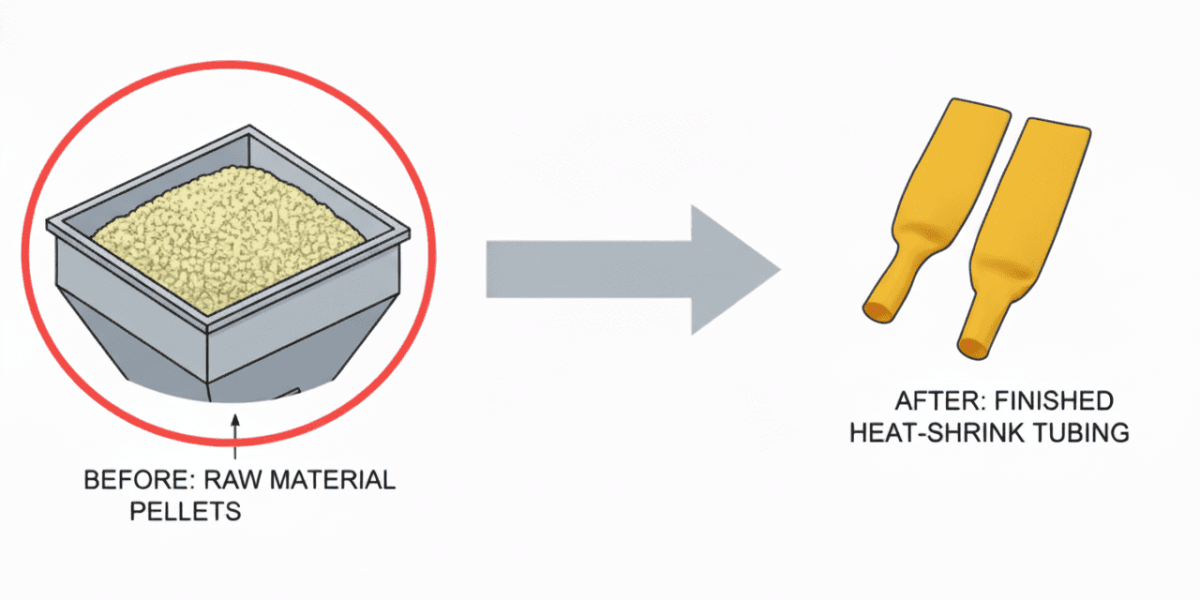
Heat shrink tubing is made through extrusion, cross-linking with radiation, and expansion. The radiation process strengthens molecular bonds, giving the tubing its "memory" to shrink back when heated.
The manufacturing process might seem complex at first glance. But when we break it down into three key stages, everything becomes clear.
What Are The Key 3 Steps To Produce Heat Shrink Tubing?
Imagine transforming plastic pellets into flexible protective tubing. Just three crucial steps make this everyday miracle possible.
The three main production steps are: Extruding raw material into basic tubing, Radiation cross-linking for strength, and Heating and expanding to final dimensions.
Let’s examine each step in detail:
1. Extrusion Process1
- Plastic pellets melt and form tube shape
- Precision die controls wall thickness
- Cooling sets initial dimensions
| Parameter | Typical Value | Importance |
|---|---|---|
| Temperature | 150-200°C | Affects material flow |
| Screw speed | 50-100 RPM | Determines output rate |
| Wall thickness | 0.2mm-3mm | Impacts flexibility |

LEMORE HEAT SHRINK TUBING -Extrusion Workshop
2. Radiation Cross-Linking2
- Electron beams3 bombard tubing
- Creates strong molecular bonds
- Gives "memory" to return to shape

Lemore Heat Shrink tubing – Radiation Workshop
3. Expansion Stage
- Heated to softening point
- Air pressure expands diameter
- Cooled rapidly to lock new size

Lemore Heat Shrink Tubing – Expansion Workshop
What Is The Raw Material For Heat Shrink Tubing?
Look at any cable bundle – chances are its protection began life as tiny plastic pellets carefully chosen for durability.
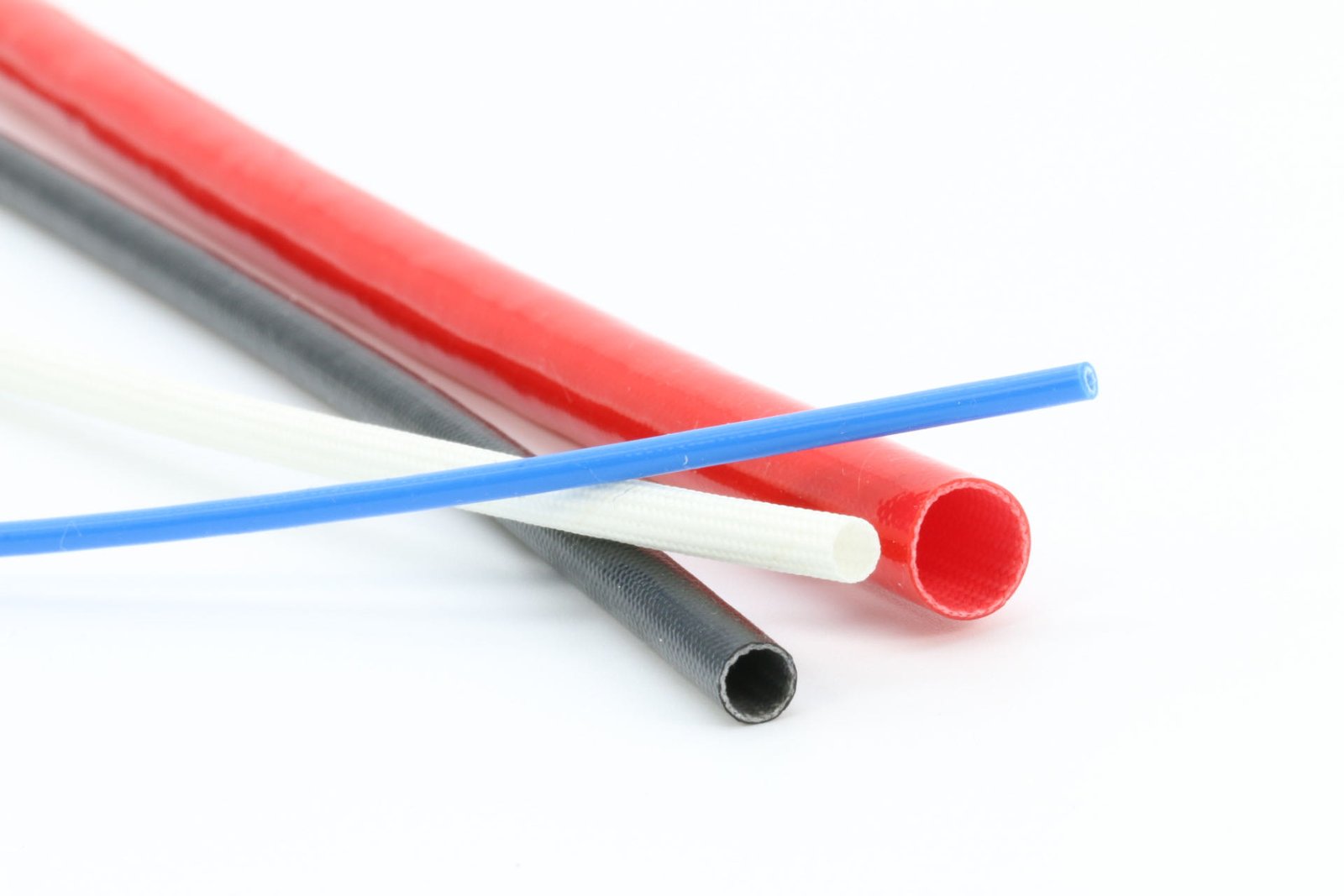
Common raw materials include polyolefins (PE), PVC, fluoropolymers (PTFE), and elastomers. Radiation-crosslinked polyolefins dominate due to their balance of cost and performance.
[image placeholder]
Material selection depends entirely on application requirements:
Common Base Materials
- Polyolefins4: Most economical option
- Good flexibility
- Moderate temperature resistance (125°C)
Specialty Compounds
Many formulations add special properties:
- Flame retardants – For electrical safety
- Pigments – Color coding
- Adhesive lining – Waterproof seals
| Material Type | Cost Level | Max Temp | Flexibility |
|---|---|---|---|
| PVC | Low | 105°C | Excellent |
| Polyolefin | Medium | 125°C | Good |
| Fluoropolymer | High | 250°C | Fair |
Conclusion
Heat shrink tubing transforms through extrusion, radiation, and expansion. The right material plus precise processing creates reliable protection for countless electrical applications worldwide.
-
Understanding the plastic extrusion process. ↩
-
Exploring radiation cross-linking to improve material strength and durability. ↩
-
Explore this link to understand how electron beams strengthen plastic tubing by creating molecular bonds, enhancing durability and shape memory. ↩
-
Explore the basic knowledge of Polyolefins. ↩