
Need to insulate cables in an area where flames or heat guns are forbidden? Using the wrong method can cause serious safety hazards and damage to sensitive components.
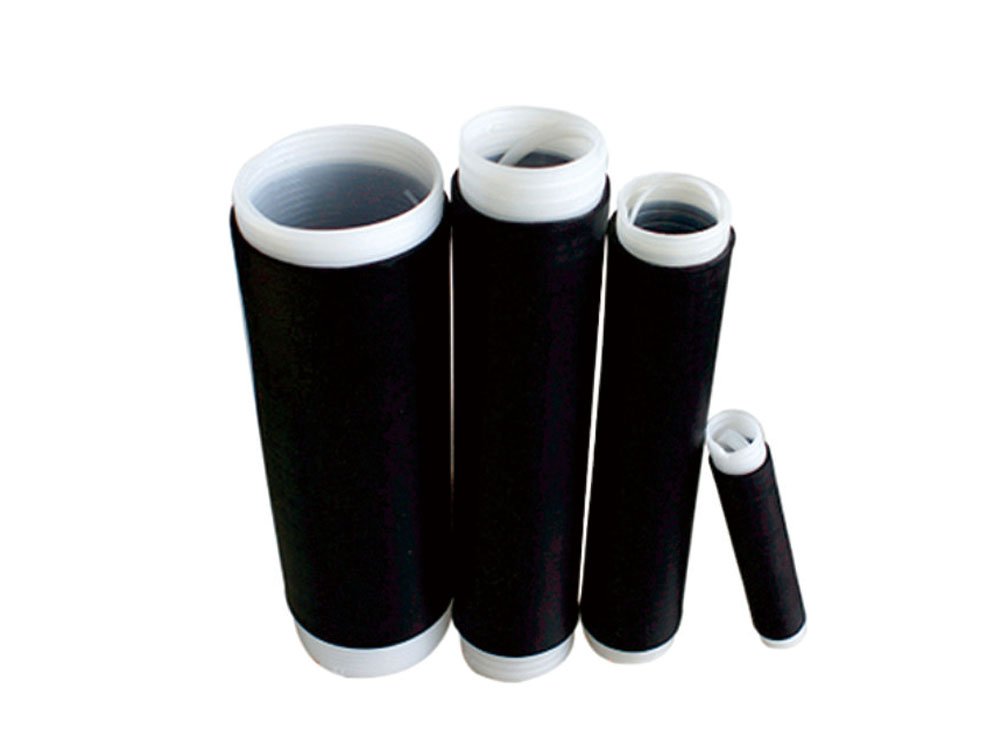
Cold shrink tubing is a pre-expanded rubber sleeve on a removable plastic core. You just need to position the sleeve and pull out the inner core, then the rubber tubing shrinks without heat, creating a tight, durable, and waterproof environmental seal around the object.

Install Cold Shrink Tubing
This technology seems completely different from the heat shrink tubing you are used to. But it provides a unique solution for specific, challenging situations. Let’s look at exactly where and why you would use it.
What Is Cold Shrink Tubing Used For?
Imagine working on an oil rig or near flammable gases. A single spark from a heat gun could be catastrophic. These high-risk environments demand a safer insulation solution.
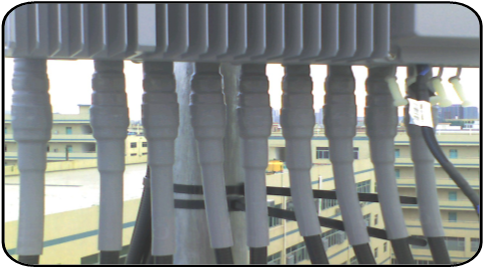
Cold shrink is primarily used for weatherproofing and insulating electrical connections in hazardous or sensitive locations. This includes telecommunication towers, underground cable splices, marine applications, and power distribution joints where using a heat source is not practical or permitted.
As a supplier, I often talk to customers like Dan who need a reliable solution for tough field conditions. They can’t risk using a torch. Cold shrink is their go-to product in these cases.
Key Application Areas
- Telecommunications: It’s perfect for weather-sealing coax connectors on cell tower antennas. The long-term seal protects against rain, dust, and temperature changes, preventing signal loss.
- Power and Utility: Workers use it to insulate, seal, and abandon low and medium-voltage cables. It’s faster and safer than taping or heat shrinking in a trench or on a utility pole.
- Industrial and Marine: On ships, offshore platforms, and in mines, safety is the top priority. Cold shrink allows for quick, reliable repairs and installations without needing a "hot work" permit.
The core benefit is sealing connections reliably without introducing a potential ignition source, which is critical for safety-conscious industries.
How Does Cold Shrink Tubing Work?
How can a tube shrink so tightly without any heat? The process seems like magic, but it’s pure mechanical engineering that ensures a reliable seal every single time.
It works using stored mechanical energy. At our factory, we expand a high-quality rubber sleeve and load it onto a plastic spiral core. In the field, you slide it over your cable and unwind the core. The rubber sleeve instantly tries to return to its original smaller size.

Understanding the mechanism shows you why it’s so reliable. The entire process is simple and repeatable, which removes the risk of a bad installation.
The Installation Mechanism
- Factory Pre-expansion: We use powerful machines to stretch the EPDM or silicone rubber tube to a much larger diameter. It is then placed over a rigid plastic core that holds it in this expanded state.
- On-Site Placement: The installer slides the entire assembly over the cable splice or connector that needs to be sealed.
- Core Removal: The installer pulls a tab to unwind the plastic core. As the core is removed, the rubber sleeve is free to shrink.
- Live Sealing: The rubber powerfully contracts, creating a constant, active pressure on the connection. This "live" pressure means the seal adapts as the cable expands and contracts with temperature changes, maintaining a tight fit over many years.
This method is much less dependent on operator skill compared to using a heat gun.
What Is The Material Of Cold Shrink Tubing?
The performance of a cold shrink tube depends entirely on its material. Choosing the wrong one can lead to cracks, poor sealing, and costly failures in the field.
The two main materials for cold shrink tubing are EPDM rubber and silicone rubber. EPDM is a durable workhorse known for excellent UV and weather resistance. Silicone offers superior flexibility and performance in extreme hot and cold temperatures.
The choice between EPDM and silicone comes down to the specific environment where the tube will be used. Both provide excellent insulation and moisture sealing.
EPDM (Ethylene Propylene Diene Monomer)
This is the most common material. It has a fantastic balance of properties for general outdoor use.
- Excellent resistance to UV radiation, ozone, and harsh weather.
- Good physical toughness and abrasion resistance.
- More cost-effective than silicone.

High Ratio EPDM Cold shrink Tubing
Silicone Rubber
This is a premium material for more demanding applications.
- Maintains its flexibility over an extremely wide temperature range (e.g., -50°C to 200°C).
- Resists water excellently and is fungus resistant.
- Stays more flexible over its lifetime.

Silicone Rubber Cold shrink tubing
Here is a quick comparison:
| Property | EPDM Rubber | Silicone Rubber |
|---|---|---|
| Temp. Range | -40°C to 100°C | -50°C to 200°C |
| UV Resistance | Excellent | Very Good |
| Flexibility | Good | Excellent (especially at low temps) |
| Cost | Medium | High |
| Typical Use | General power/telecom | Extreme temp. or high-flex apps |
What Is The Difference Between Heat Shrink And Cold Shrink Tubing?
Your team needs to seal a cable joint. Do you give them a heat gun or a cold shrink tube? Choosing the wrong one costs time and could even be a safety risk.
The main difference is the installation method. Heat shrink requires a heat gun or torch to shrink. Cold shrink installs without heat by removing an inner core. This makes cold shrink safer for hazardous areas but also makes it more expensive and bulkier.
As someone who manufactures heat shrink tubing, I understand its value. But I also know it isn’t the right tool for every job. My goal is to provide the best solution, and sometimes that means cold shrink.
Head-to-Head Comparison
The decision often comes down to safety, cost, and the specific application.
- Installation: Heat shrink requires a skilled operator to apply heat evenly. Cold shrink is nearly foolproof—just pull the cord. This makes installation faster and more consistent.
- Safety: This is the biggest driver. Cold shrink is the only choice for flammable or explosive environments.
- Performance: Cold shrink provides a constant, "live" pressure seal that accommodates thermal cycling better. Heat shrink provides a rigid, semi-permanent jacket.
- Cost and Storage: Heat shrink is significantly less expensive and has an unlimited shelf life. Cold shrink is more costly and typically has a shelf life of 1-3 years because the rubber is under constant tension.
| Feature | Heat Shrink Tubing | Cold Shrink Tubing |
|---|---|---|
| Tool Needed | Heat Gun / Torch | None |
| Safety | Requires "hot work" permit in sensitive areas | Safe for hazardous environments |
| Cost | Lower | Higher |
| Shelf Life | Unlimited | 1-3 Years |
| Seal Type | Rigid, permanent jacket | "Live," active pressure seal |
| Skill Level | Moderate skill needed for even shrinking | Low skill, very simple |
Conclusion
Cold shrink offers a safe, reliable sealing solution where heat guns are not an option. Although more expensive, its simple, fast installation and active pressure seal make it invaluable.